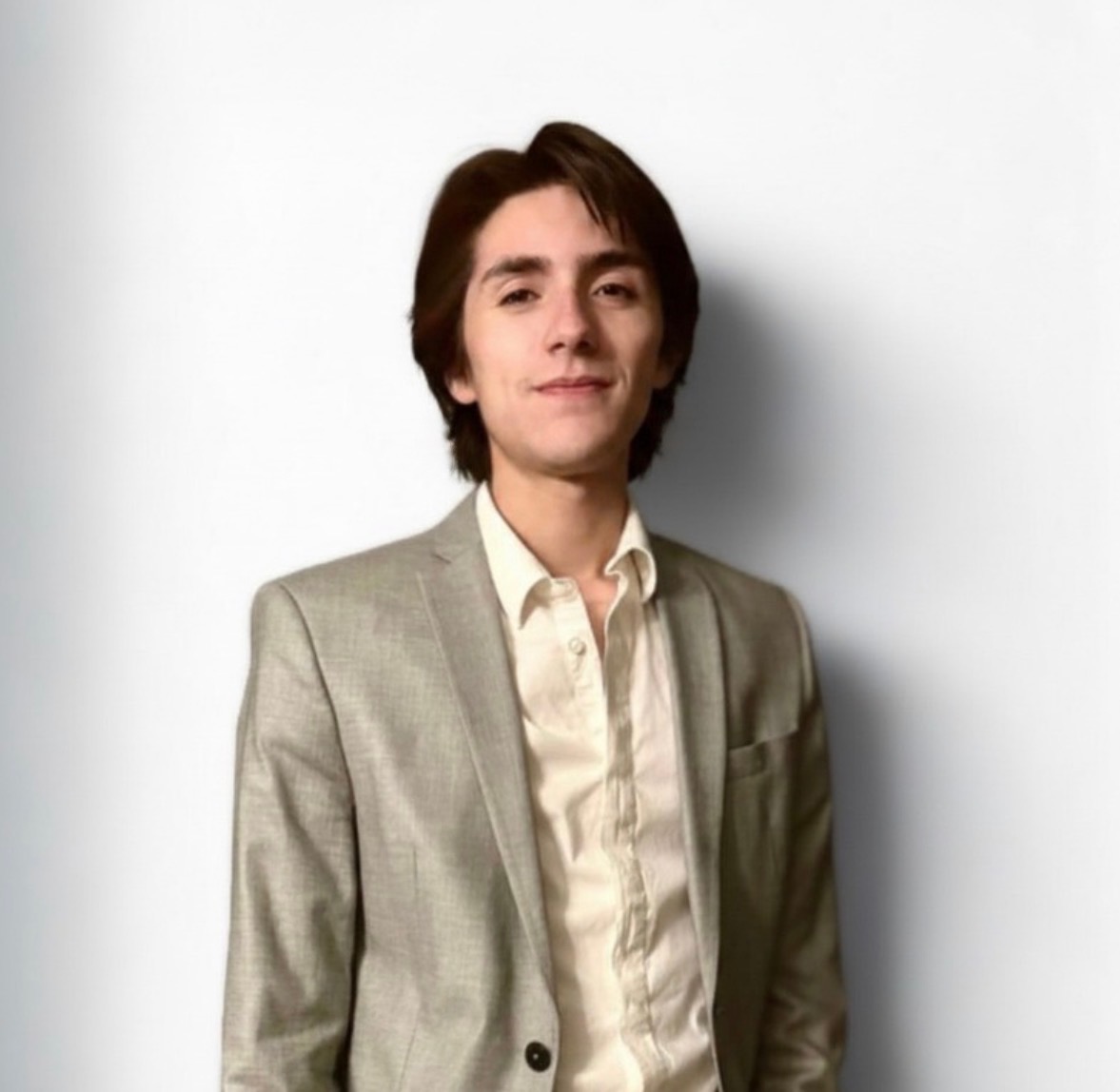
Christopher
Magana.
Senior software engineer. Full-stack systems, AWS architecture, and the AI-assisted workflows reshaping how software gets built.
Builder. Architect. Systems thinker.
I build software and the systems around it. The last five years have been spent shipping production work across defense, robotics, and healthcare — architecting AWS platforms, full-stack web systems, and the integration layers that tie everything together.
Lately I'm focused on AI-assisted development: multi-agent workflows, orchestration patterns, and what changes when engineering leverage shifts. I care about architectural judgment, big-picture thinking, and the point where engineering decisions become business decisions.
Select missions.
Co-architected HarborOS, a containerized deployable medical platform delivered to U.S. Marine Corps and special operations forces. Guided the product through FedSTART certification.
Built visualization and data tooling used by Amazon Robotics engineers across multiple programs. Engineered a 50x reduction in load times on the primary platform for R&D debugging.
Designed AI-assisted development workflows built on multi-agent orchestration — parallel autonomous execution under human-gated review, with 95%+ token reduction in retrieval-heavy tasks.
Trusted across roles to operate beyond assigned scope — scoping requirements directly with clients, leading architecture decisions, and earning mentorship from senior leadership for strategic contribution.
Beyond the keyboard.
Competitive games, mostly. A way to stay sharp and stay connected.
Cars in general. Go-karting, F1 weekends, sim rig at home. Gran Turismo is the forever favorite.
Markets and capital allocation. Not Warren Buffett yet. Reading constantly.
Where I'm pointed.
My work sits at the intersection of engineering and strategy. I build systems, but I think about organizations — how technical decisions compound into business outcomes, how the right architecture unlocks the right team, and how leverage flows through both.
The next decade of software will be defined by how effectively humans and AI systems work together. I'm building toward roles where I can shape that — as an engineer, architect, and eventually as a founder of the kind of company that takes that question seriously.